
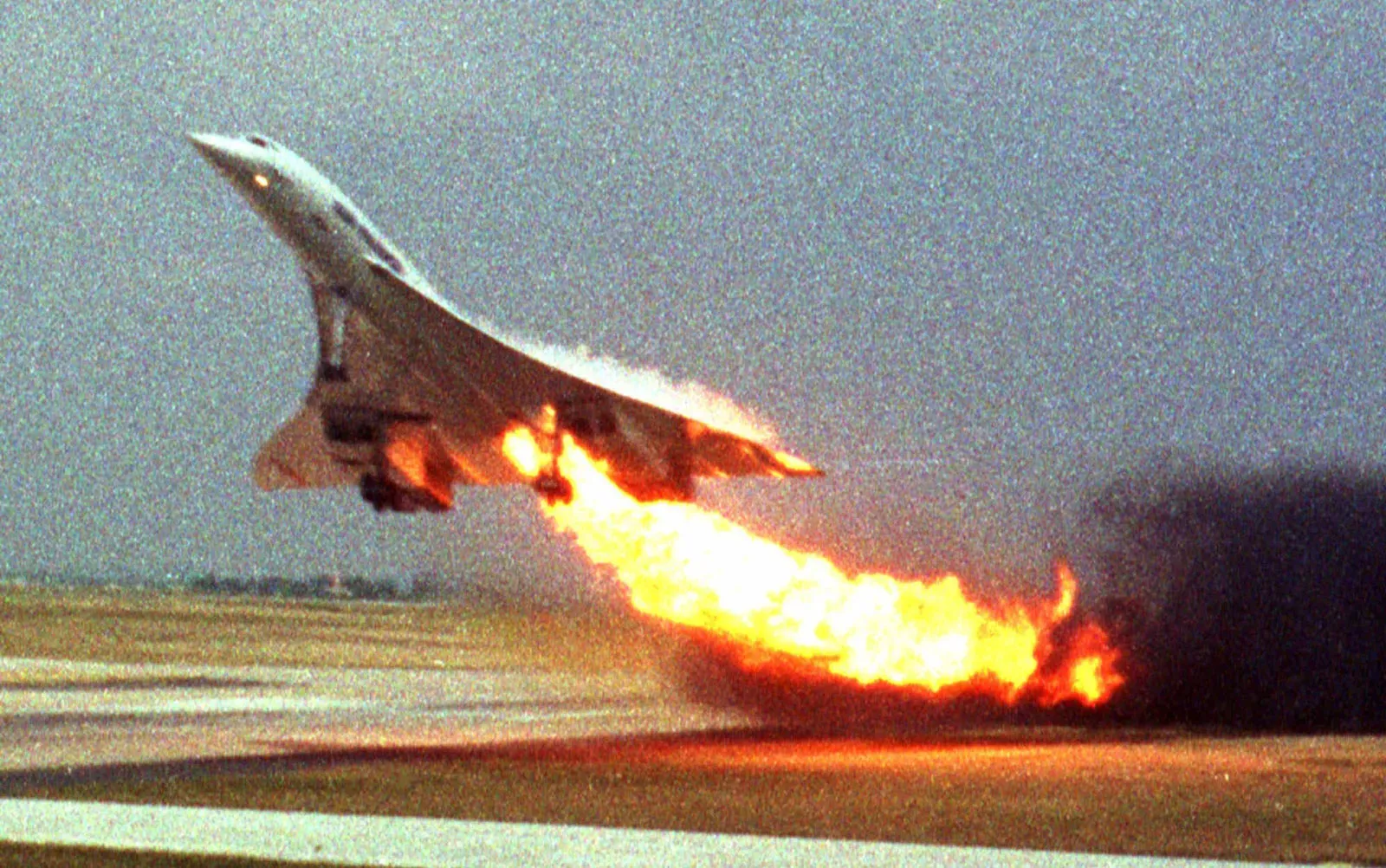
La aviación comercial ha vivido en un estancamiento de velocidad desde que el Concorde realizó su último vuelo en 2003. Durante dos décadas, la eficiencia del combustible y la capacidad de pasajeros dictaron el diseño aeronáutico, dejando el vuelo supersónico como un recuerdo de una era más ambiciosa. Pero en el desierto de Mojave, una nueva generación de ingenieros está utilizando dinámica de fluidos computacional (CFD) de última generación para resucitar el sueño de cruzar el Atlántico en menos de tres horas. El protagonista de esta carrera es el Boom XB-1, el primer avión supersónico desarrollado de forma privada.
La Física del "Sonic Thump" vs. "Sonic Boom"
El mayor obstáculo para el vuelo supersónico sobre tierra no es la velocidad, sino la legislación. Desde la década de 1970, la FAA prohibió los vuelos civiles supersónicos debido al impacto acústico: el estallido sónico. Cuando un objeto rompe la barrera del sonido, las ondas de presión se fusionan en un fuerte choque en forma de "N".
Boom Supersonic, junto con los esfuerzos de la NASA y su demostrador X-59, está trabajando en el moldeado de ondas de choque. El objetivo es que las ondas de presión generadas por la nariz, las entradas de aire y las alas no se unan, sino que lleguen al suelo como una serie de pulsos suaves. En lugar de un estallido que sacude ventanas, el objetivo es un "latido" sónico (sonic thump) apenas audible sobre el ruido de fondo urbano.
Materiales del Siglo XXI para el Régimen Mach 2.2
A diferencia del Concorde, que dependía del aluminio y sufría una expansión térmica significativa que limitaba su vida útil, el XB-1 y su sucesor comercial, el Overture, utilizan compuestos de fibra de carbono.
Estos materiales no solo son más ligeros, sino que mantienen su integridad estructural a las altas temperaturas generadas por la fricción del aire a Mach 1.7 o 2.2. La estabilidad térmica de estos compuestos permite un diseño de ala delta más refinado y una aerodinámica que se adapta tanto al despegue subsónico silencioso como al crucero supersónico eficiente.
"No estamos simplemente construyendo un avión más rápido; estamos optimizando la eficiencia de propulsión mediante sistemas de admisión variables controlados por software", explican desde el equipo de ingeniería de propulsión. "Cada micro-ajuste en la geometría de entrada de aire permite que los motores funcionen en su punto óptimo, algo imposible con la tecnología analógica de los años 60".
Sostenibilidad: El Elefante en la Cabina
El vuelo supersónico consume inherentemente más energía por pasajero que el subsónico. Para mitigar las críticas ambientales, Boom ha diseñado el Overture para funcionar al 100% con Combustible de Aviación Sostenible (SAF). Sin embargo, el desafío técnico es de escala: la producción global de SAF tendría que multiplicarse exponencialmente para alimentar una flota de jets transatlánticos rápidos.
El éxito del XB-1 en sus pruebas de vuelo no solo validará una aeronave; validará un modelo de negocio que apuesta a que el tiempo sigue siendo el recurso más valioso de la humanidad.